Tired of overflowing wallets filled with crumpled paper receipts? Imagine a world where every purchase is effortlessly tracked, environmentally friendly, and even helps you save money. Nigeria is moving toward that future, and digital receipts are at the center of this transformation. This shift will change how Nigerians shop, how businesses operate, and how financial records are managed nationwide.
The Vanishing Paper Trail: Why Nigeria’s Receipts Are Changing
Paper receipts have been a long-term struggle for Nigerian shoppers and businesses. Many people lose their receipts before they even leave the store. Ink fades within days. Warranty claims become stressful because proof of purchase goes missing. Retailers spend heavily on paper rolls, printers, and maintenance.
The world is already moving toward paperless systems. Countries in Europe, Asia, and North America have adopted email receipts, app-based receipts, and POS-integrated digital solutions. Nigeria is now catching up quickly. But here, digital receipts go beyond simple emails. They include portable QR-based slips, app notifications, SMS links, and integrations with mobile money platforms.
Digital receipts in Nigeria are not just about convenience. They represent a shift toward accountability, transparency, and structured financial data for everyday users and business owners.
The Tech Powering the Shift: Beyond Email
Nigeria’s digital receipt revolution is fueled by a mix of modern technologies. NFC-enabled terminals allow quick tap-to-receive receipts. QR code systems offer instant access to a digital copy without sharing personal details. Integrated POS systems now sync receipts automatically to mobile apps.
Mobile banking apps and e-wallets play a major role by storing transaction history in a way users can easily access and filter. These platforms are gradually becoming central hubs for digital receipts as banks and fintech companies continue building seamless ecosystems.
Blockchain technology is also stepping in. It provides secure, tamper-proof storage for receipts and financial records. This assures businesses and customers that the digital proof of purchase cannot be altered or lost.
Benefits for Businesses and Consumers: A Win-Win?
Businesses in Nigeria stand to save money as they reduce paper roll purchases, printer maintenance, and storage costs. Digital receipts also reduce long-term clutter and make operations more efficient. Environmentally, the country benefits from lower paper consumption and less waste.
Consumers enjoy even greater advantages. Digital receipts make budgeting easier since expenses are automatically organized. Individuals can track purchases, categorize spending, and make smarter financial decisions. Warranty claims and returns become simple because proof of purchase is always accessible. Loyalty programs also improve when linked with digital receipts, allowing customers to gain points automatically without physical cards.
Both sides win when receipts are accurate, easy to access, and securely stored.
Challenges and Hurdles: The Road to Mass Adoption
Despite the benefits, challenges remain. Nigerians are increasingly aware of data privacy issues, so trust must be built through secure platforms. Digital literacy also varies across age groups and regions, meaning adoption will take time. Accessibility remains a concern for citizens without smartphones or stable internet access.
Government policies will play a major role in shaping the future of digital receipts. Clear regulations, incentives for businesses, and strong cybersecurity frameworks are essential for widespread adoption.
Nigeria’s Digital Receipt Future: A Glimpse into 2030
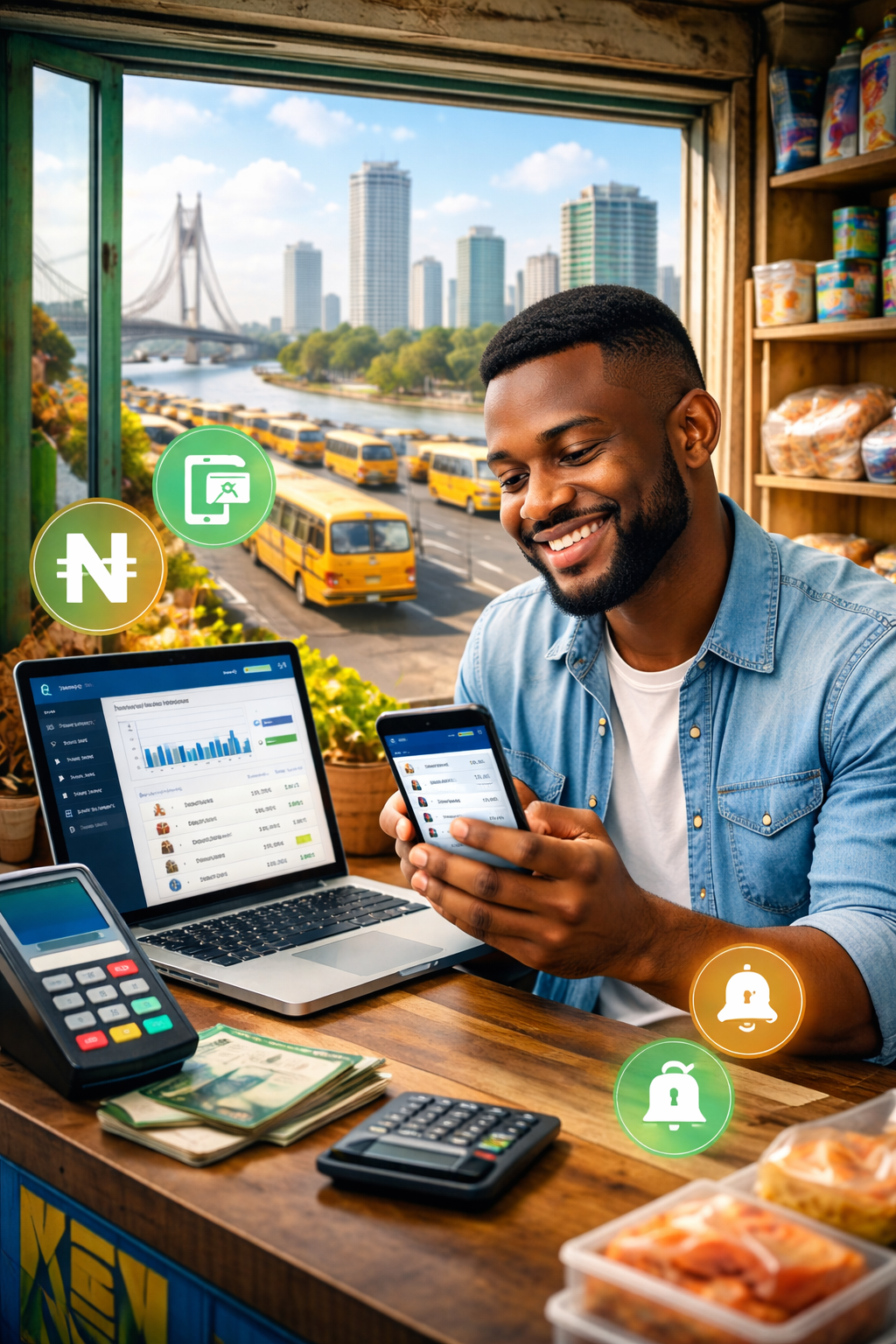
Tech innovators in Nigeria already predict a future where digital receipts are the norm. Smart cities will rely on digital footprints for transportation, commerce, and financial systems. Markets, malls, restaurants, and even roadside vendors will generate receipts instantly through mobile POS systems.
In 2030, digital receipts may sync automatically with tax systems, consumer apps, budgeting tools, and business dashboards. It will create a more transparent, structured, and efficient society.
This change starts with everyday users embracing the shift. As Nigerians prepare for a digital, paperless economy, the best step forward is adopting platforms that simplify and secure digital receipts.
A tool like Nairatrack.com helps both businesses and individuals begin this transition with confidence. It offers clean, organized digital receipts, quick access to past transactions, and a professional way for SMEs to manage financial records without paperwork.
Now is the time to move into the future. Embrace digital receipts, save time, save money, and enjoy a smarter shopping and business experience. If you are ready to join this transformation, start by creating your free account on Nairatrack.com and enjoy the future today.